Beyond Seoul: Mountain Mist, Local Flavors & Coastal Temples in Sokcho
Discover a different side of Korea with TBB: Abai Village and the Gaetbae ferry, Seoraksan and Gwongeumseong, and the seaside temple grounds of Naksansa.
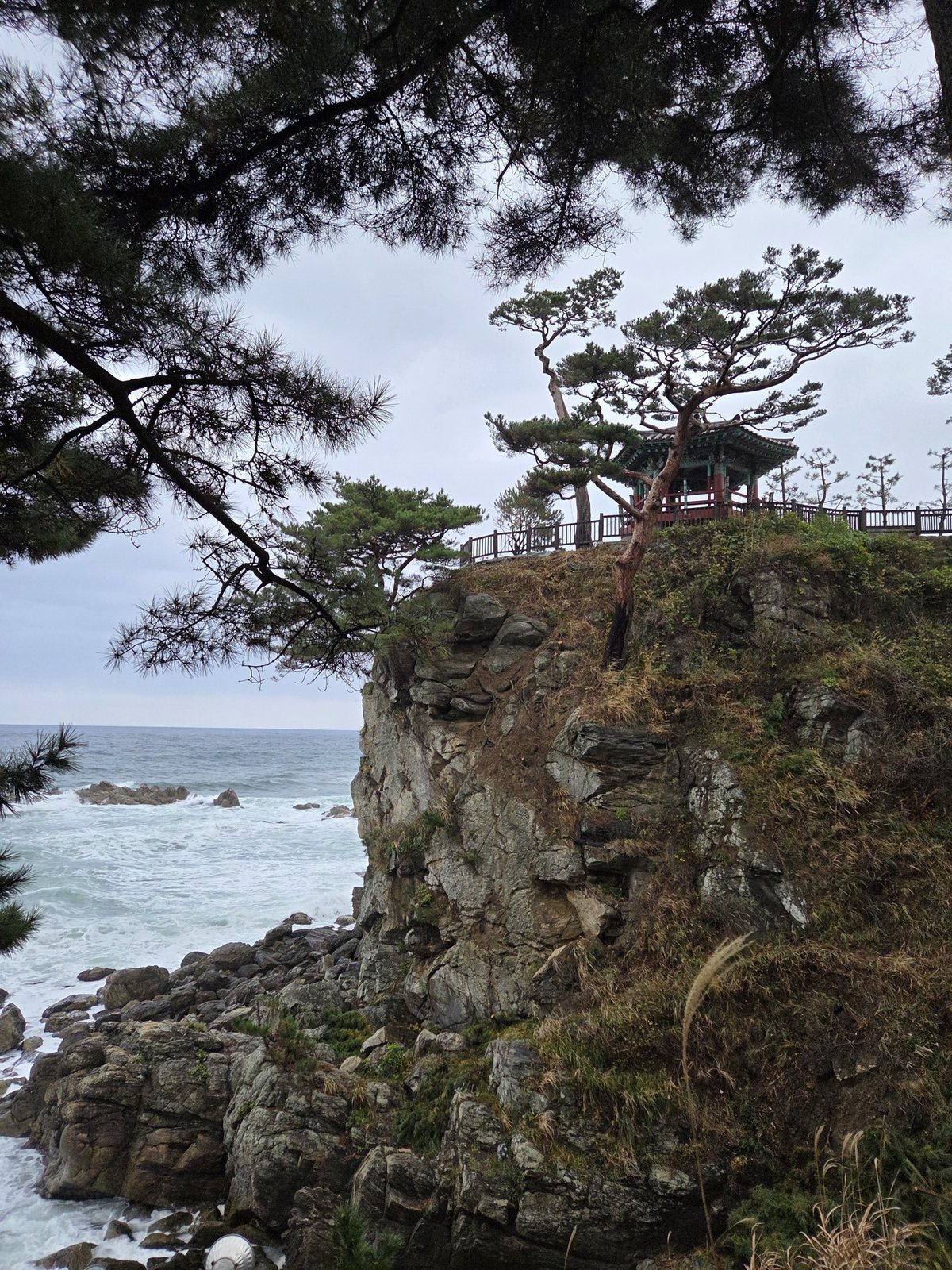
A tiny ferry crossing. A plate of stuffed squid. Temple roofs beneath granite peaks, followed by waves breaking along a pine-framed shore. Around Sokcho and neighboring Yangyang, a journey can move between very different worlds without losing its sense of place.
For travelers looking beyond Seoul, this is part of the appeal: mountain scenery, living local stories, and time beside the East Sea. Our October scouting visit brought all three together, with waterfront lights on the first evening and clouds drifting through Seoraksan the next day.
These are the places and moments we would love to help you discover. The photographs show the trip as it happened—including the mist at Gwongeumseong, rather than a promise of clear skies.
Mountains. Sea. Local stories.
A small crossing with a bigger story
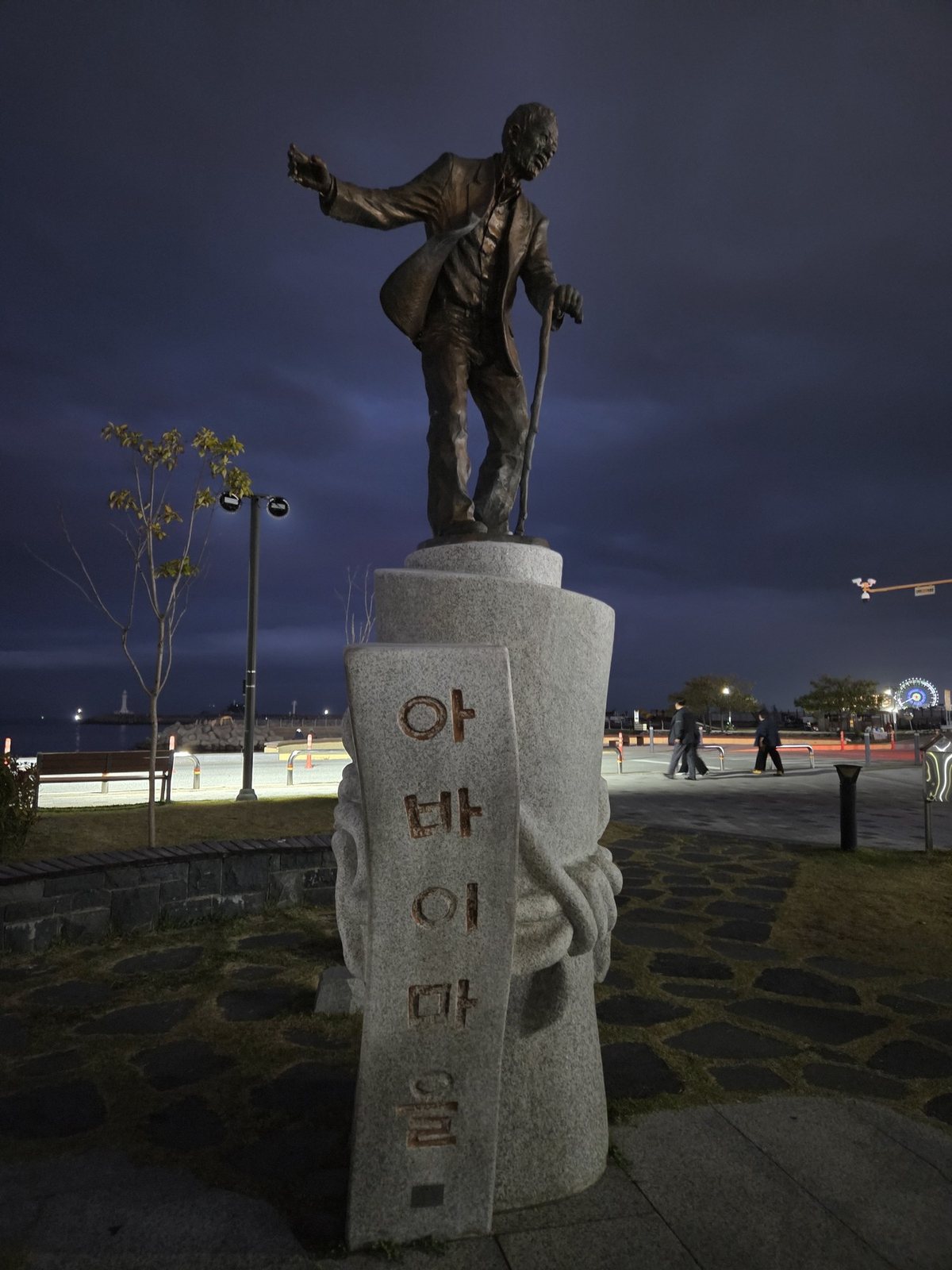
Abai Village rewards a slower look. Its history is connected with people displaced from northern Korea during the Korean War, making it a place where food, memory, and everyday life meet.
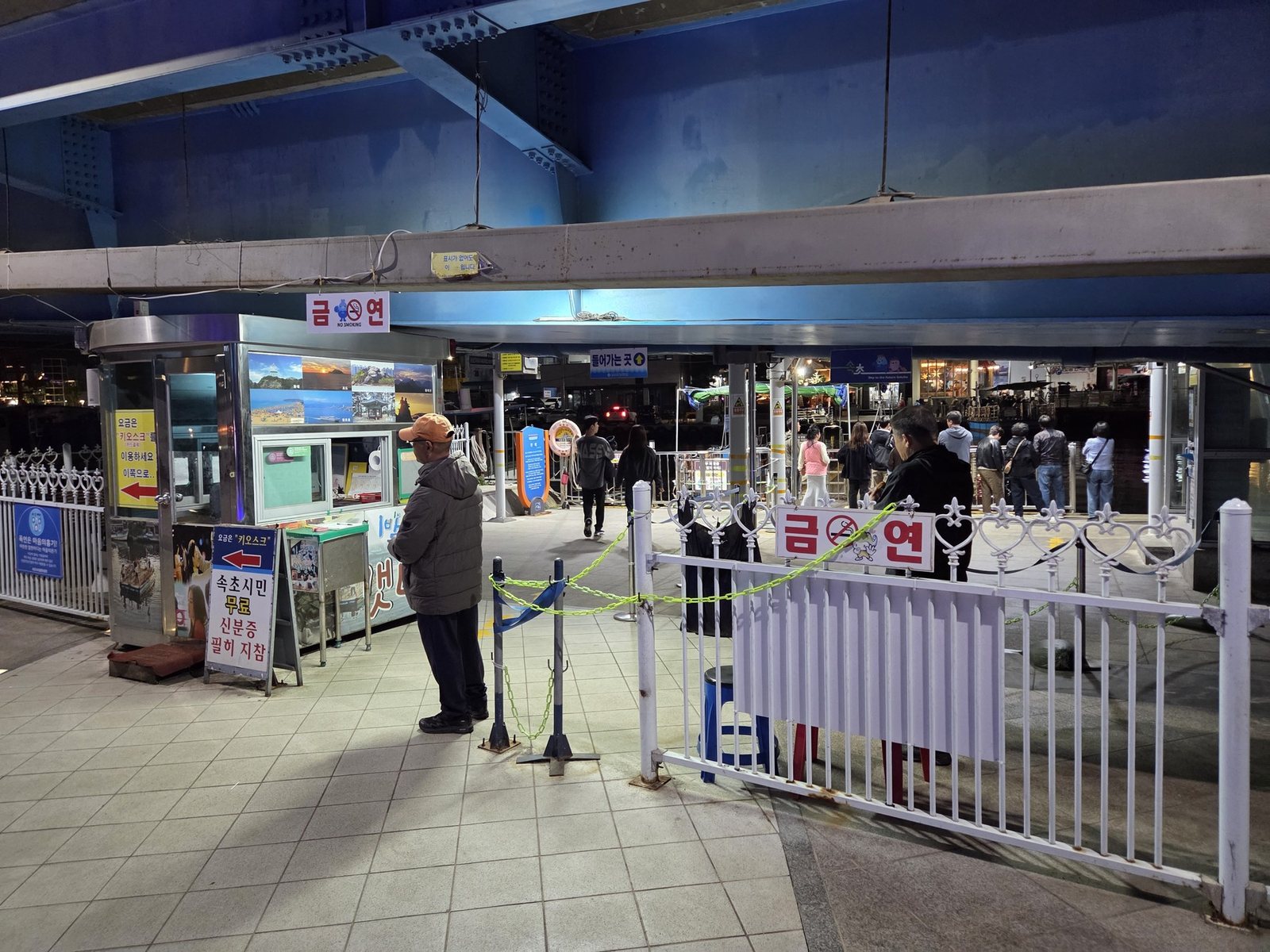
The Gaetbae ferry adds a hands-on moment to a visit. This small, cable-drawn ferry links the village with the city-center side of the water. The crossing is brief; the setting and the experience of watching the boat move make it much more memorable than simply taking another road.
Wander the village lanes before or after the crossing. With the story explained in English, the waterfront becomes more than a photo stop: it becomes an introduction to a distinctive part of Sokcho.
Taste a little of Sokcho
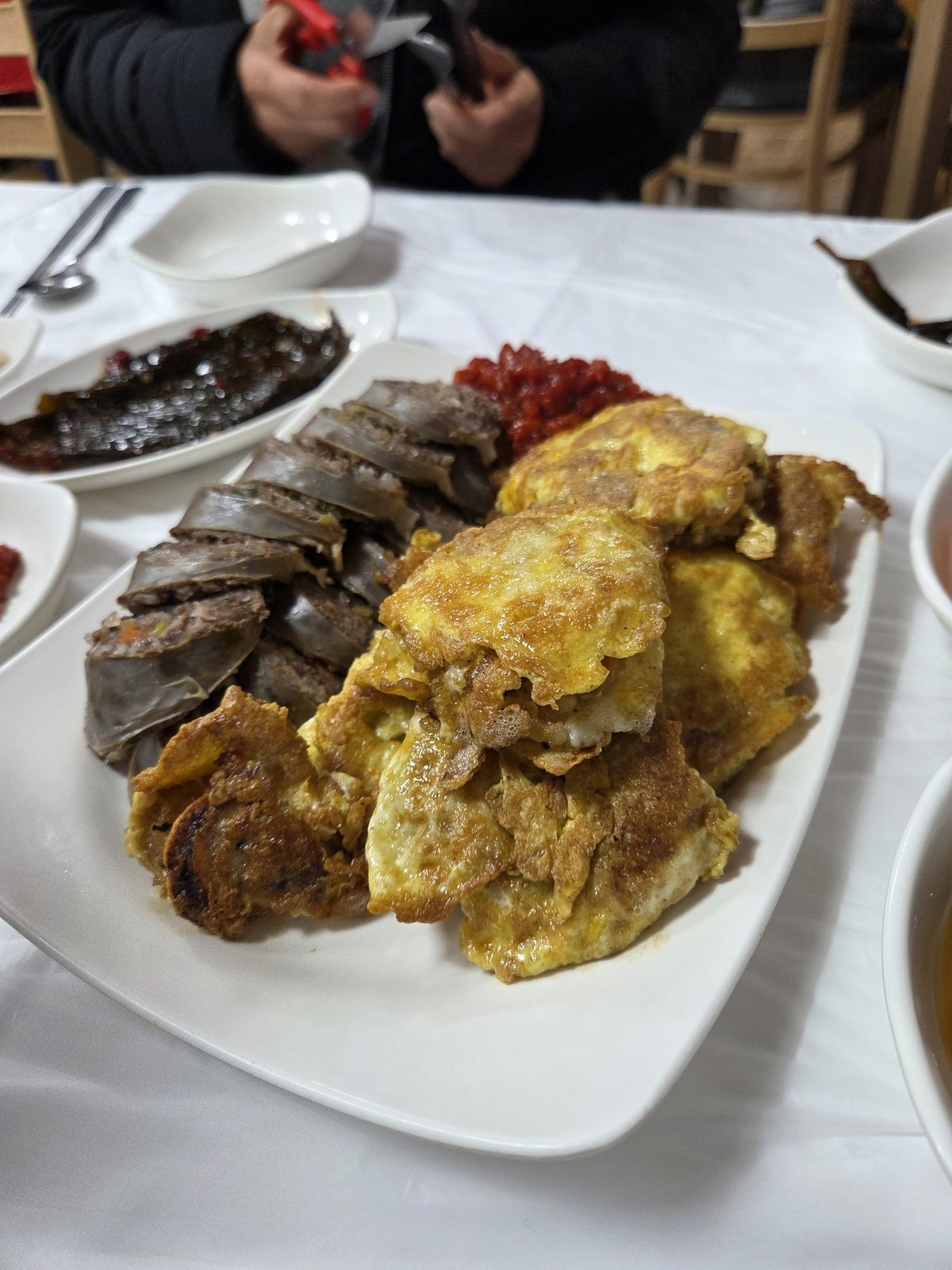
Make room for a local meal. Ojingeo-sundae is stuffed squid, sliced into rounds—a different use of the word sundae from the sweet dessert English speakers may expect. The plate photographed here was part of our Abai Village food stop.
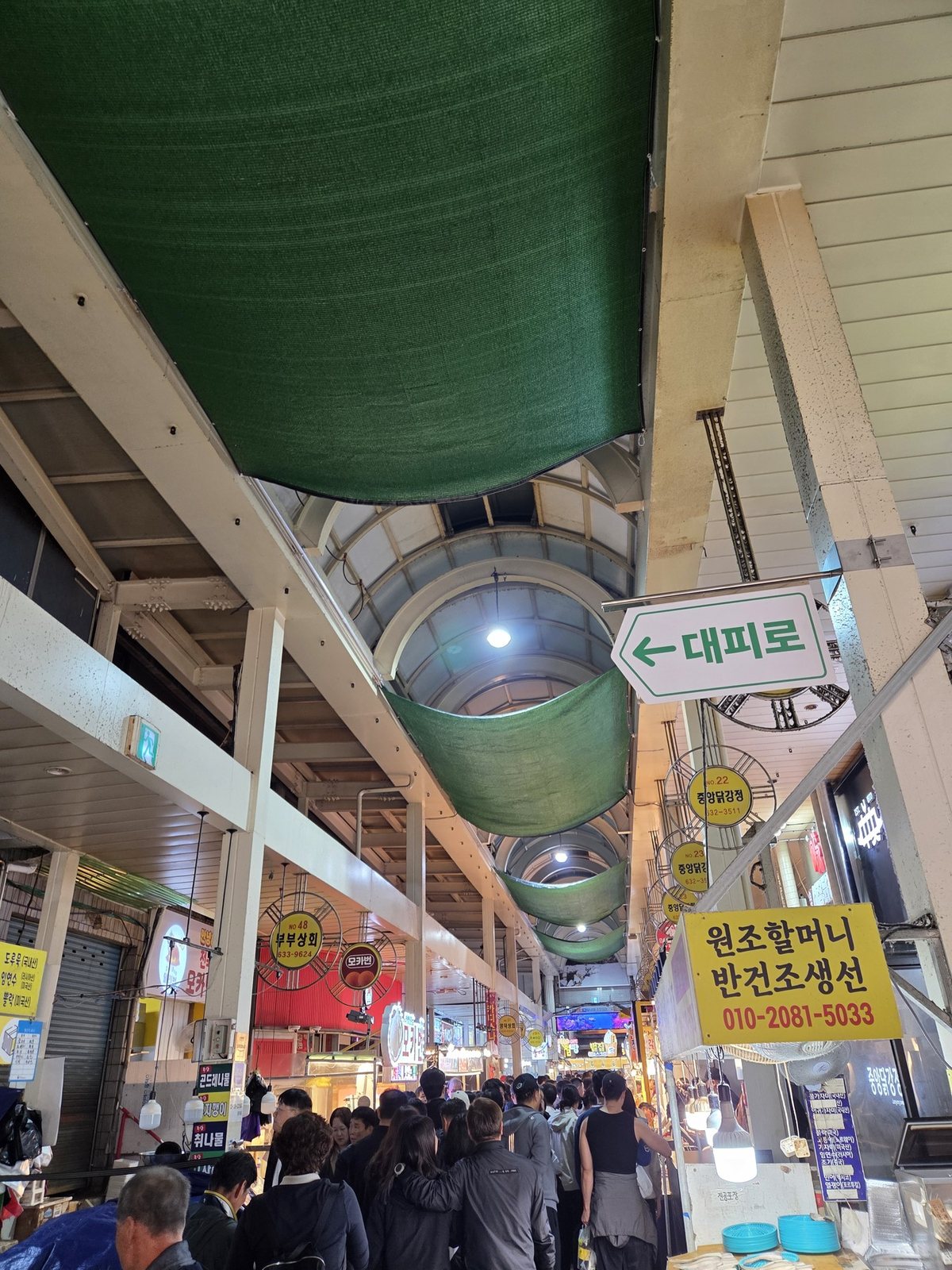
Nearby, Sokcho Tourist and Fishery Market offers another change of pace. Covered aisles, busy stalls, and food being prepared in front of you invite curiosity. It is a place to look, ask questions, and choose something that appeals to you.
If you have dietary requirements, discuss them before choosing dishes. Ingredients vary, and a dish’s appearance alone will not tell you everything it contains.
Let the evening unfold by the water
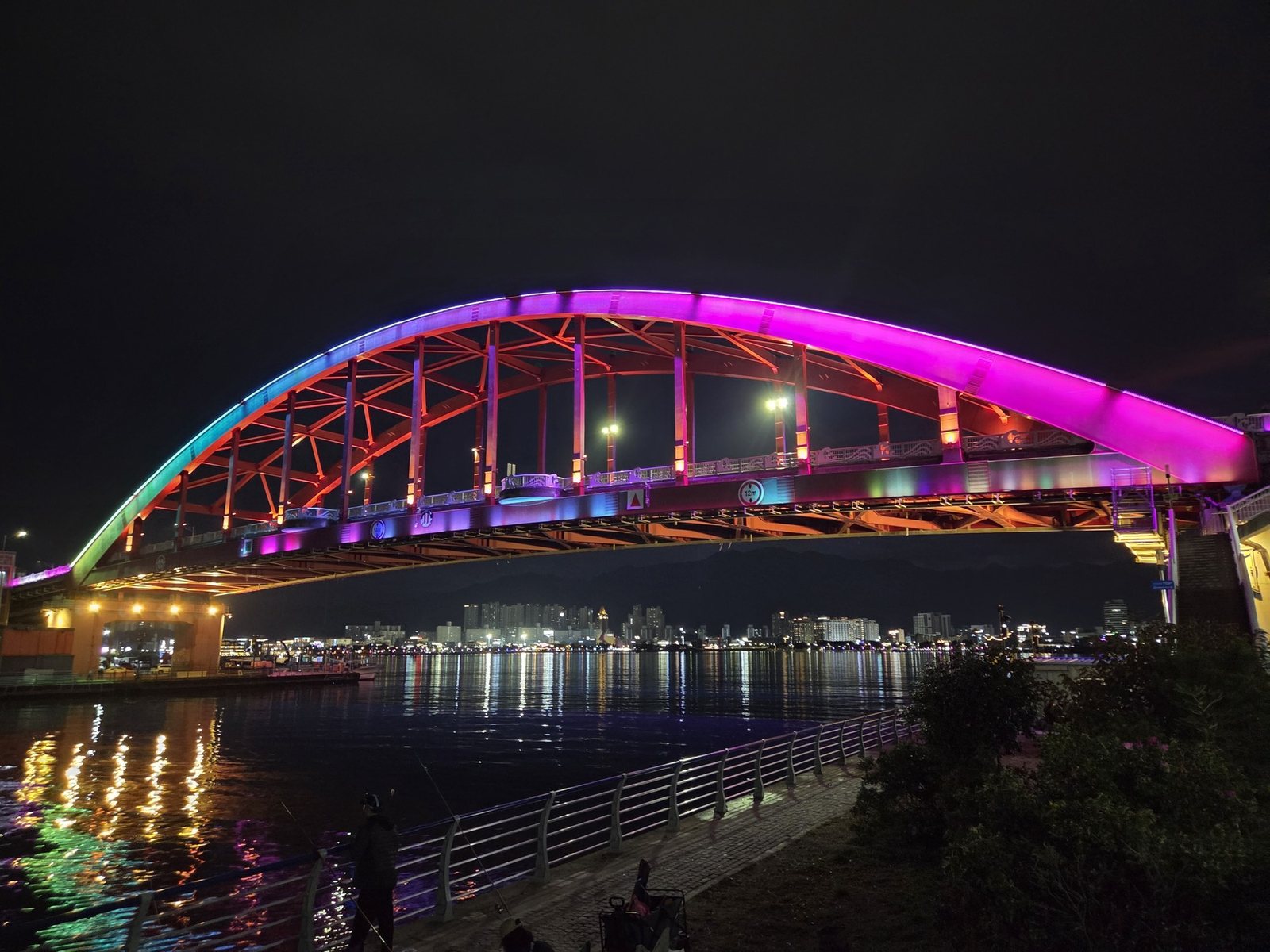
Sokcho takes on a different mood after dark. Bridge lights reflect across the waterfront, while the lanes and restaurants keep the evening lively.
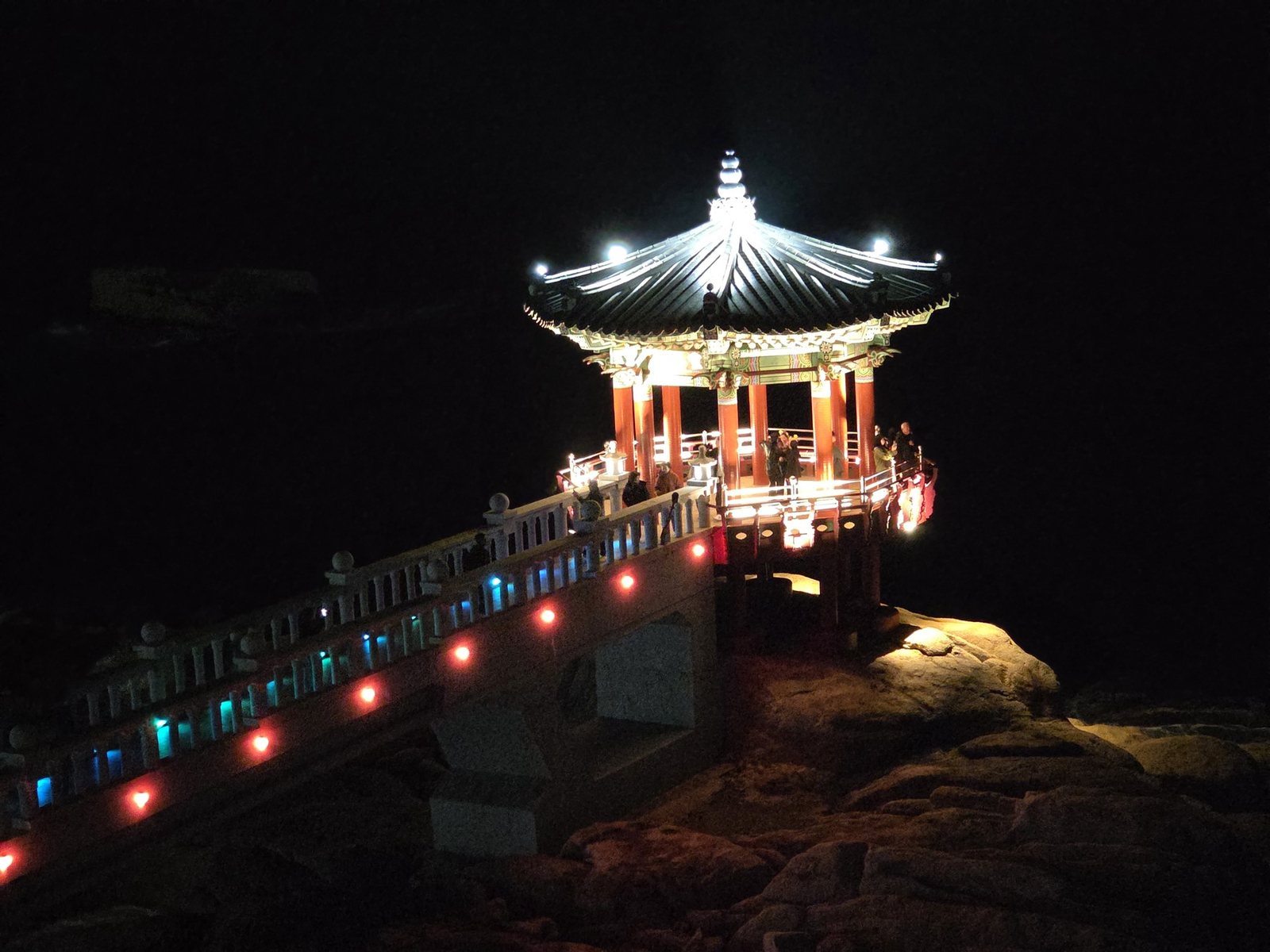
At Yeonggeumjeong, an illuminated pavilion stands above the sea, reached by a walkway from the shore. Pause for the sound of the waves and a view back toward the city. This is an appealing reason to leave space for an evening in Sokcho rather than treating the coast as a quick stop between drives.
Walk beneath the peaks of Seoraksan
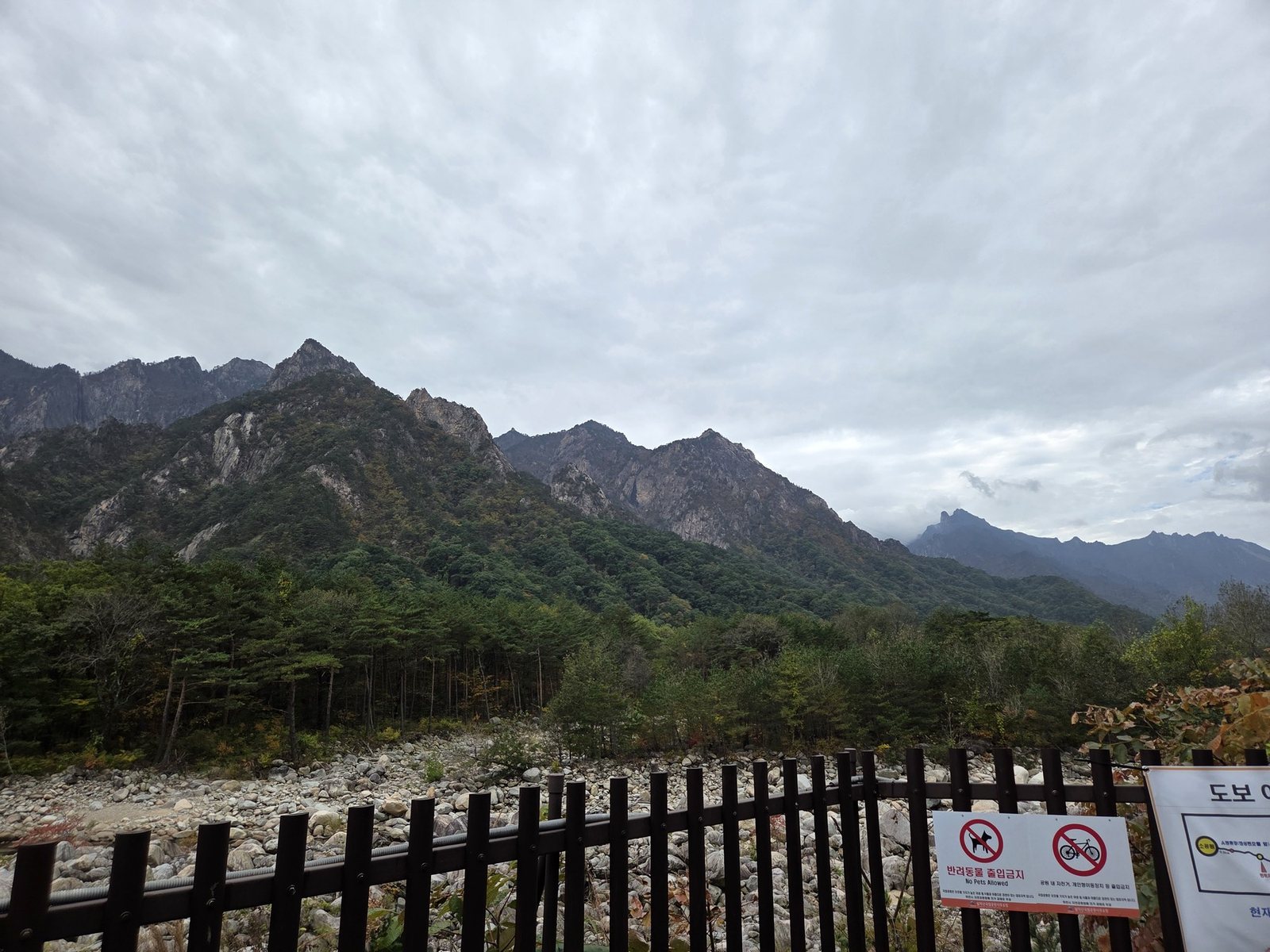
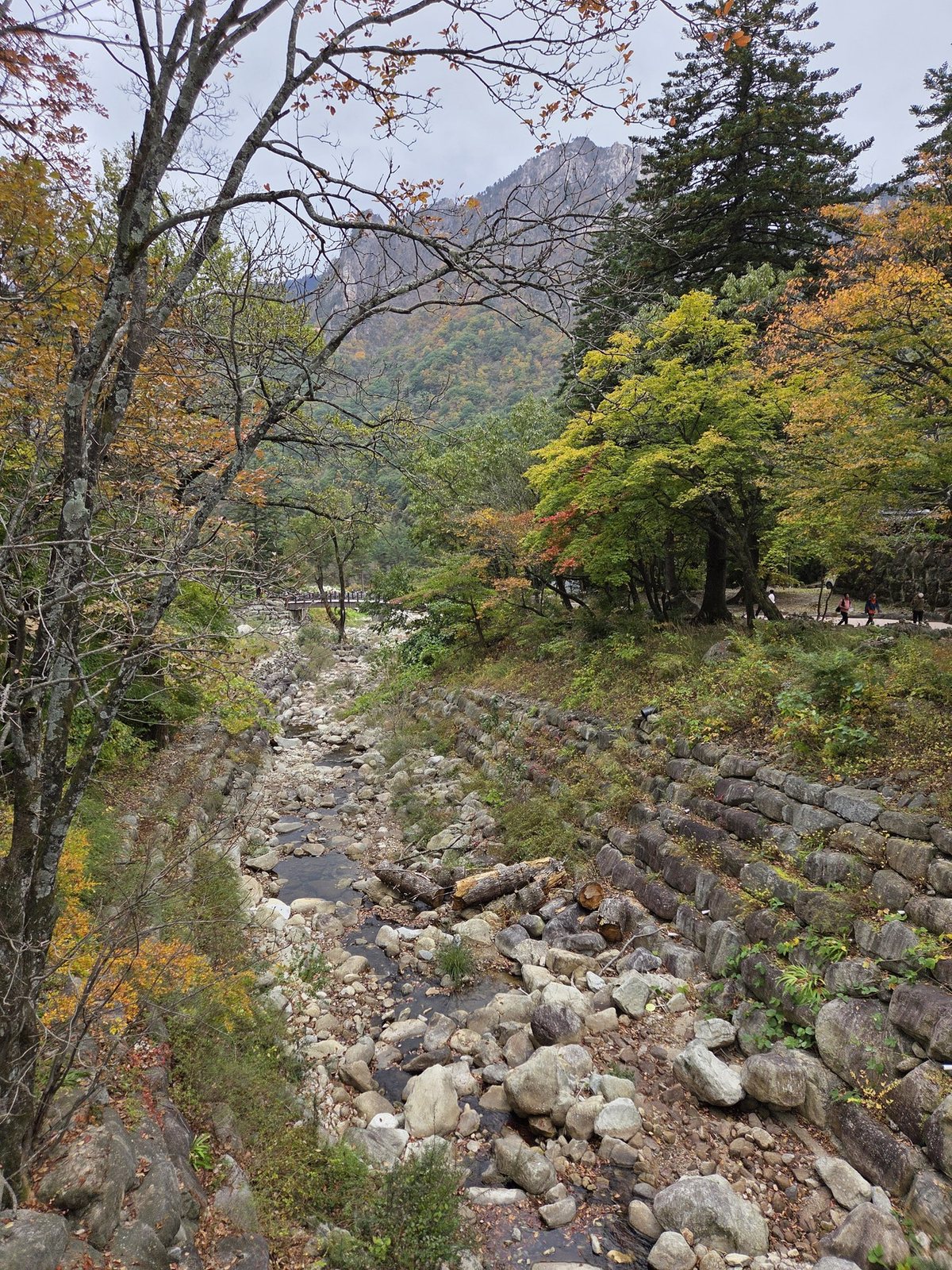
The following mountain chapter feels entirely different. Near the Sogongwon entrance area of Seoraksan National Park, trees, rocky ridgelines, and temple architecture share the view.
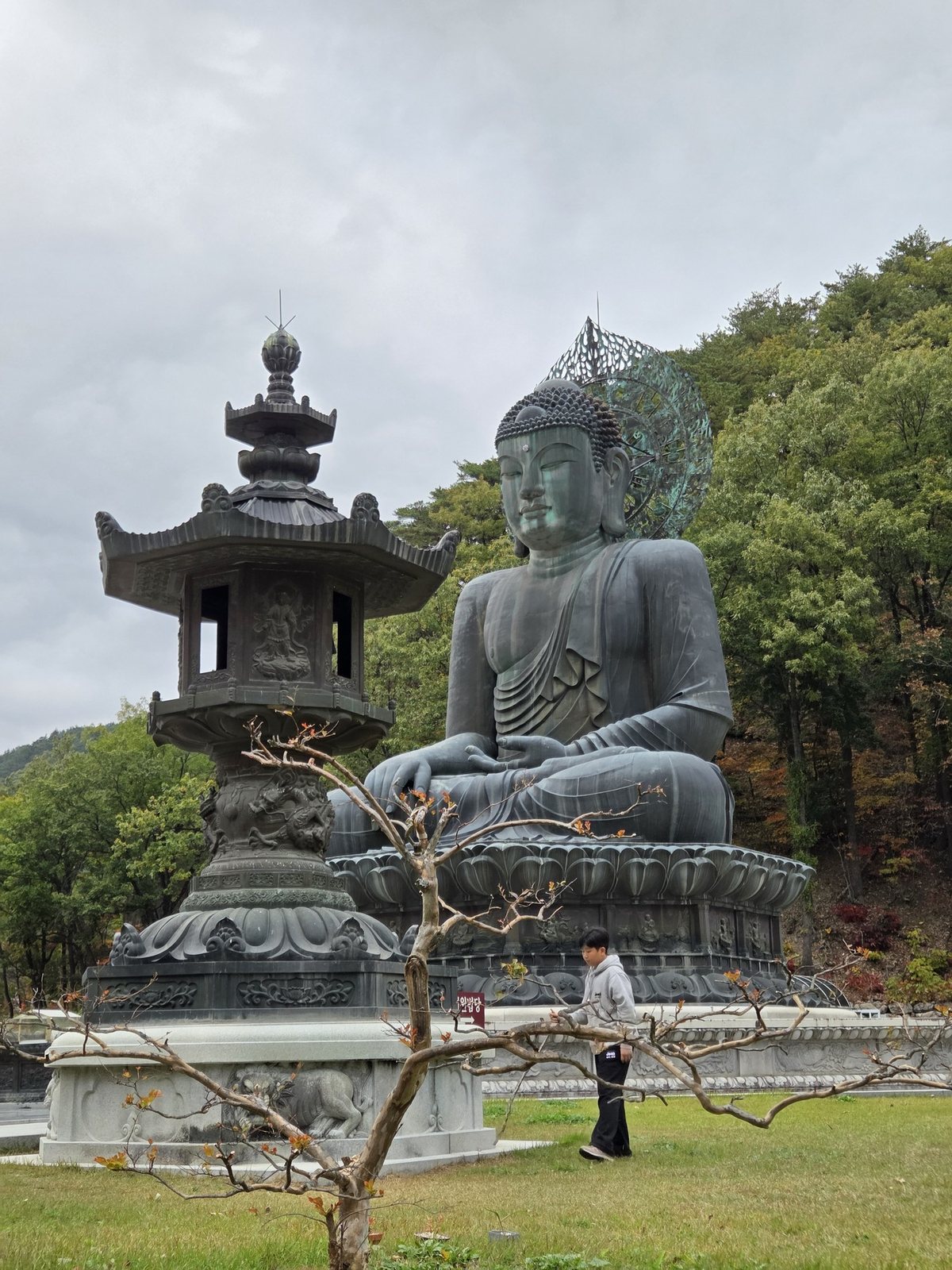
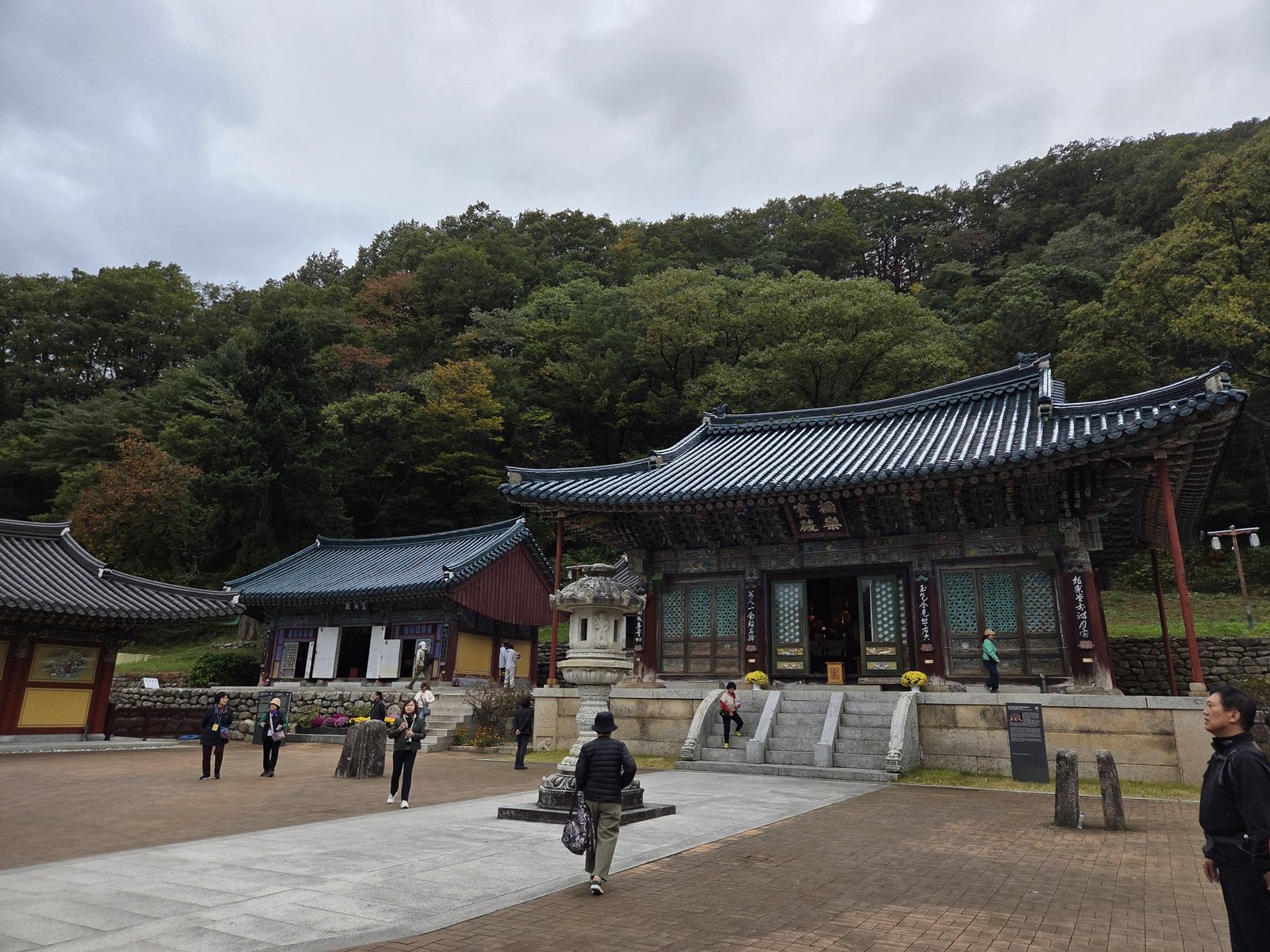
The Great Unification Buddha and Sinheungsa offer a cultural thread alongside the scenery. Slow down in the courtyards, notice the painted woodwork, and look at how the buildings sit beneath the mountains. A guided explanation can help connect what you see with Korean Buddhist traditions.
You do not need to turn every mountain visit into a long hike. The entrance-area walks and temple grounds offer their own rewarding introduction, with the route chosen around your group’s walking preferences.
Ride toward Gwongeumseong—and welcome the weather’s mood
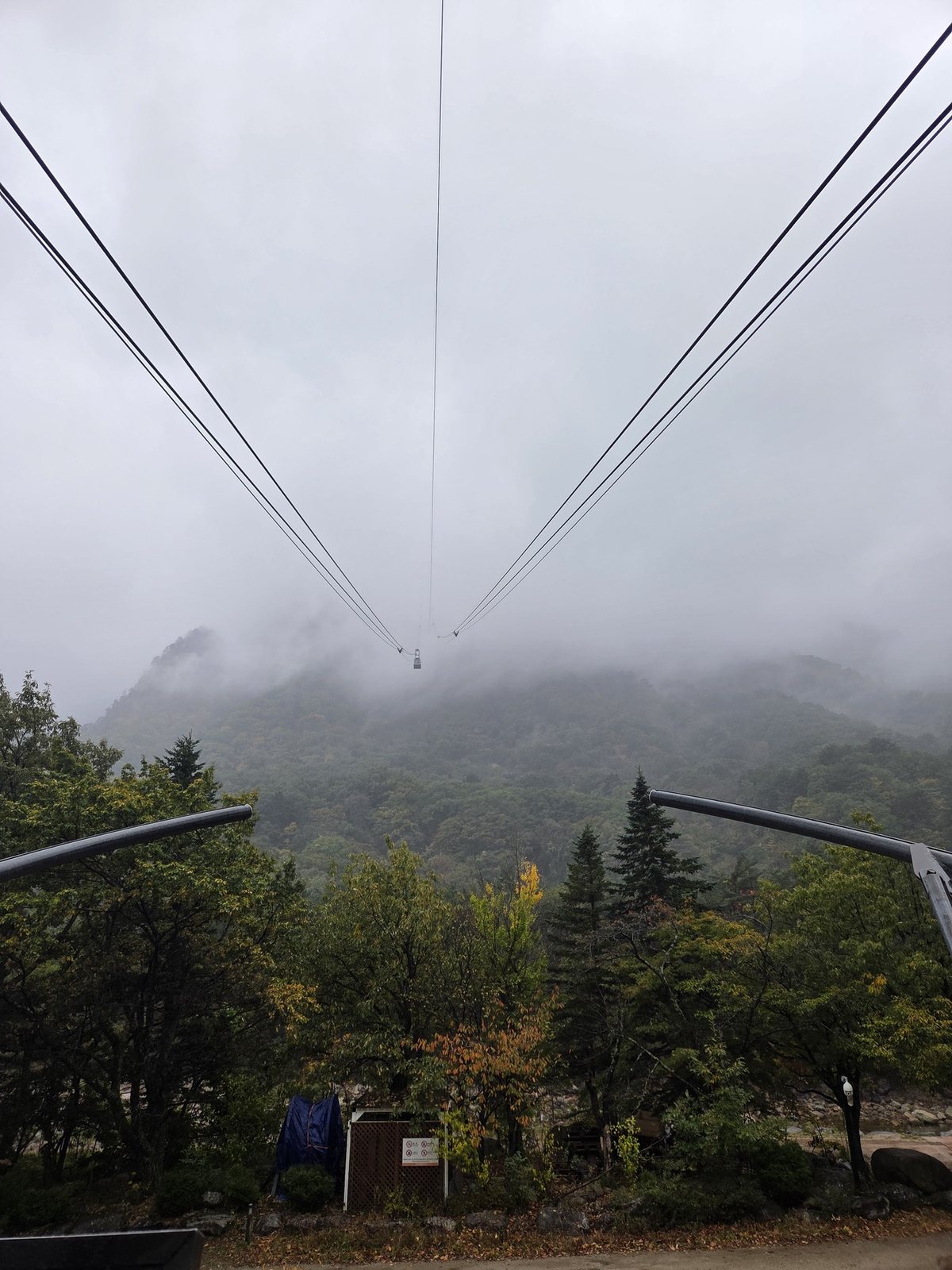
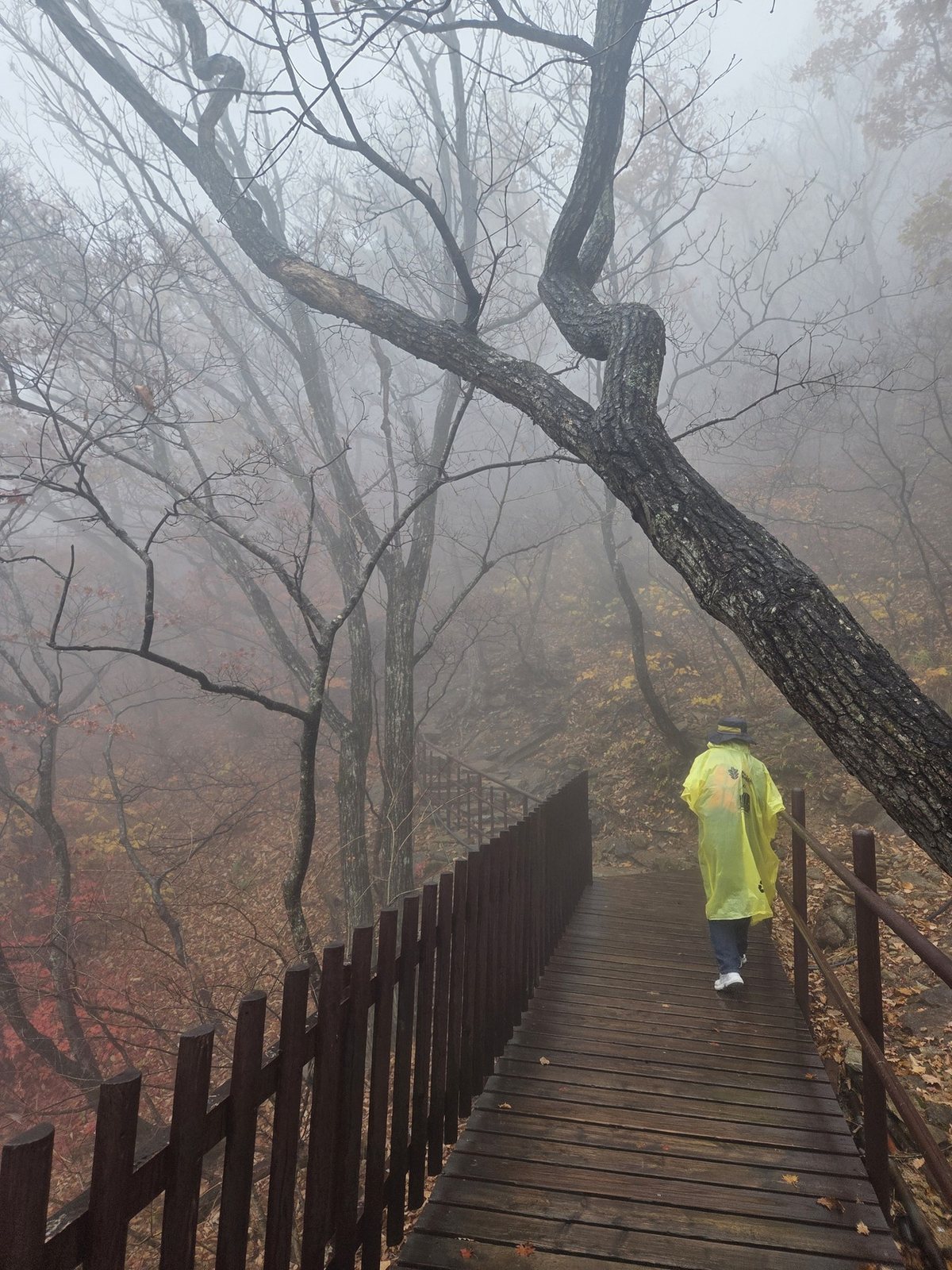
The Seorak Cable Car carries visitors up toward Gwongeumseong. The ride is short, but the landscape and atmosphere can change as you rise above the wooded slopes.
On our visit, the mountain was wrapped in mist. Cable-car lines disappeared into the clouds, and the upper paths felt quiet and otherworldly. It was a different experience from the broad panoramas you might see on a clear day, and these photographs keep that real atmosphere intact.
Cable-car tickets are sold on the day at the site, and operation depends on weather and local conditions. The upper area also involves walking and steps. We plan this part of a visit around ticket availability, conditions, and the people traveling—not around a guaranteed view.
Finish with a temple beside the sea
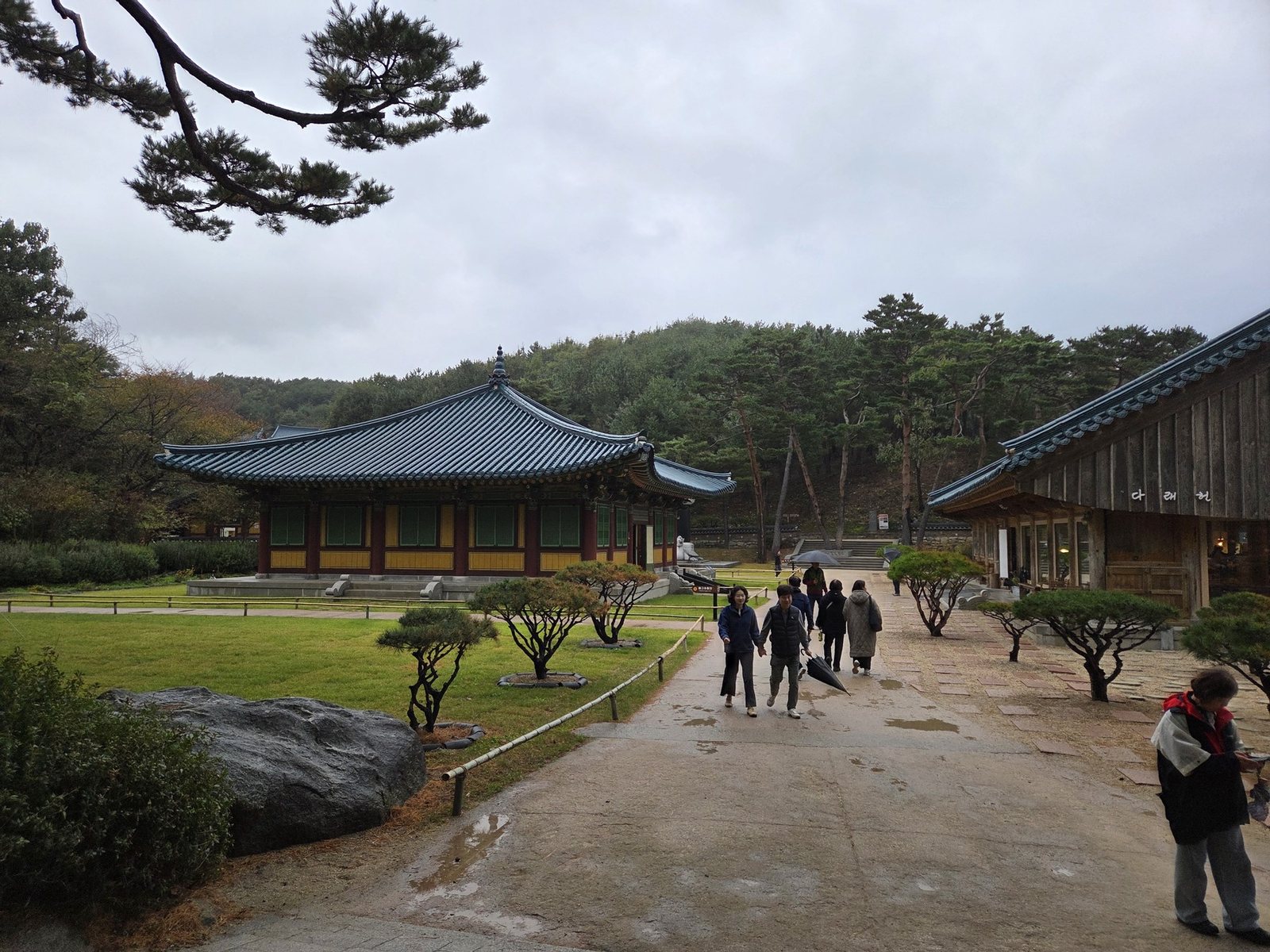
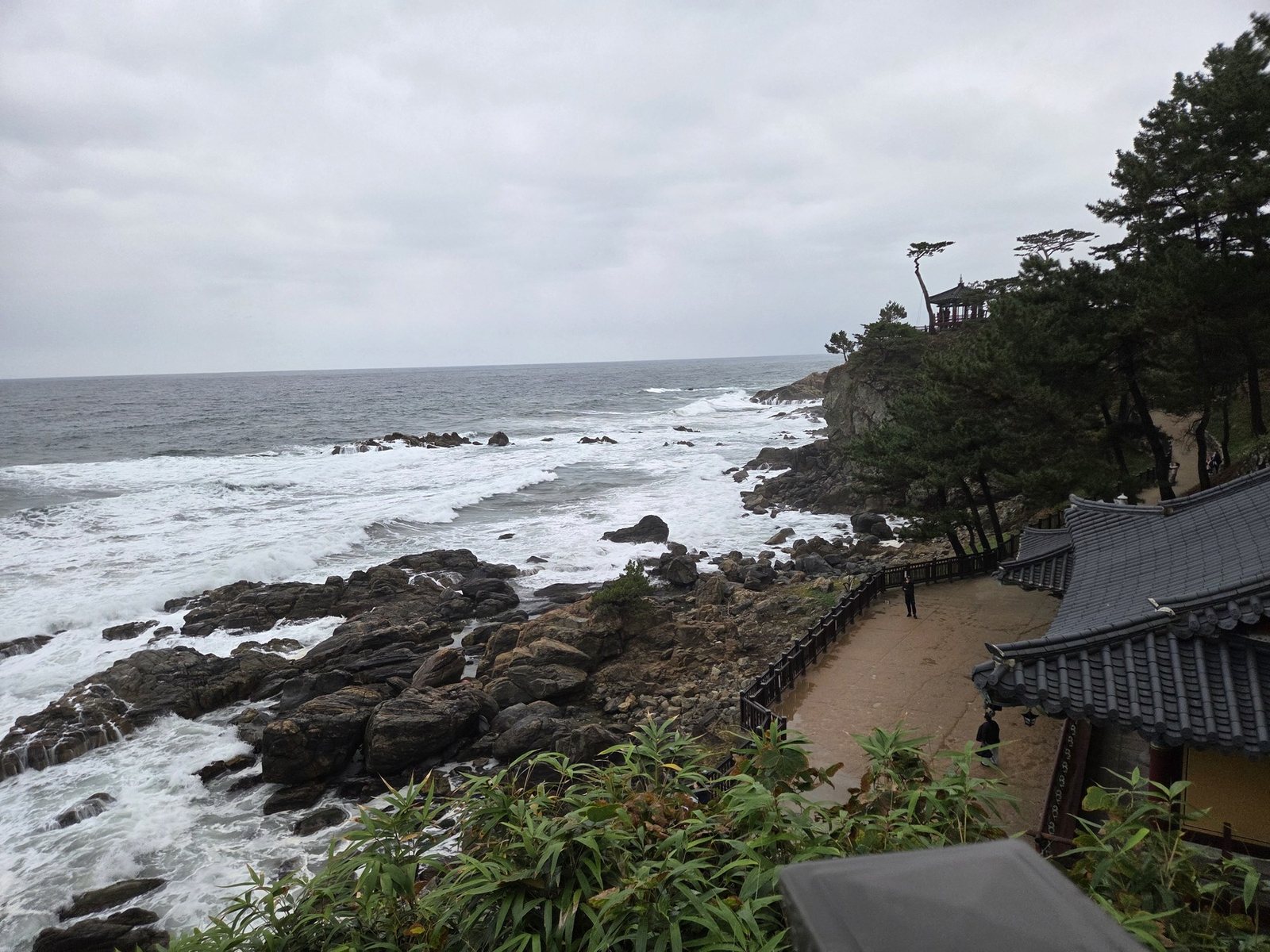
Naksansa is in Yangyang, south of Sokcho. Here, the mountain setting gives way to coastal paths, pine trees, and views over the East Sea.
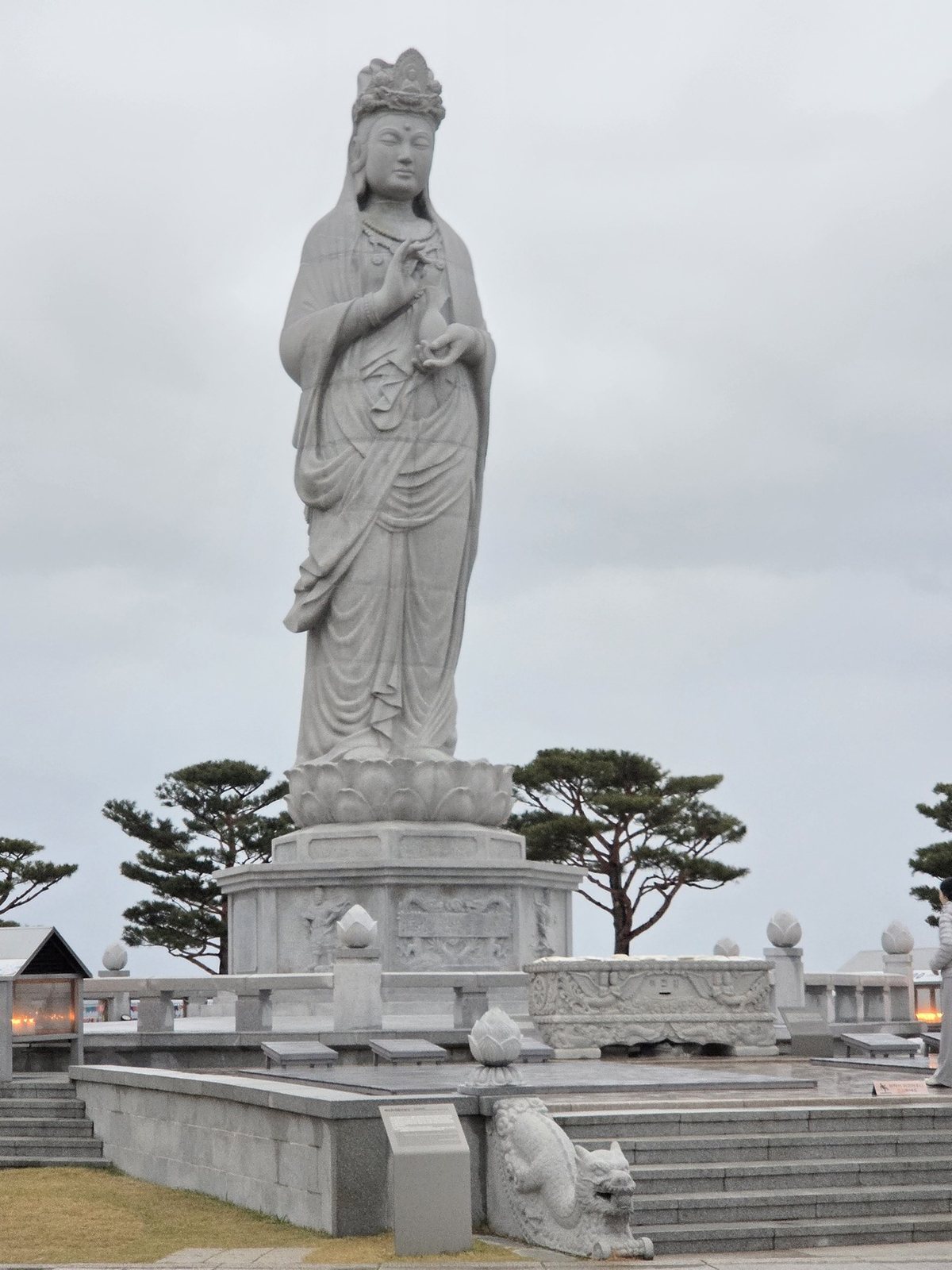
Uisangdae Pavilion, Hongnyeonam Hermitage, and the tall sea-facing Avalokitesvara statue offer different perspectives on the temple grounds. Look outward toward the waves, then back toward the courtyards and tiled roofs. The relationship between the buildings and their setting is part of what makes a visit special.
There are slopes and stairs along parts of the grounds, so allow time to walk comfortably. After the energy of the market and the mountain air of Seoraksan, this coastal setting makes a fitting final chapter.
Make it your own with TBB
Interested in seeing this side of Korea? Talk to Tour Barrier Breakers about a Sokcho, Seoraksan, and Yangyang itinerary for your group.
A two-day visit gives these contrasting places room to breathe. The order and pace can be discussed around your starting point, interests, walking preferences, and the conditions on the day. Let us know whether you are most excited by local food, temple culture, photography, or simply a change of scenery.
Visit tbbkorea.com to start planning your next chapter in Korea.